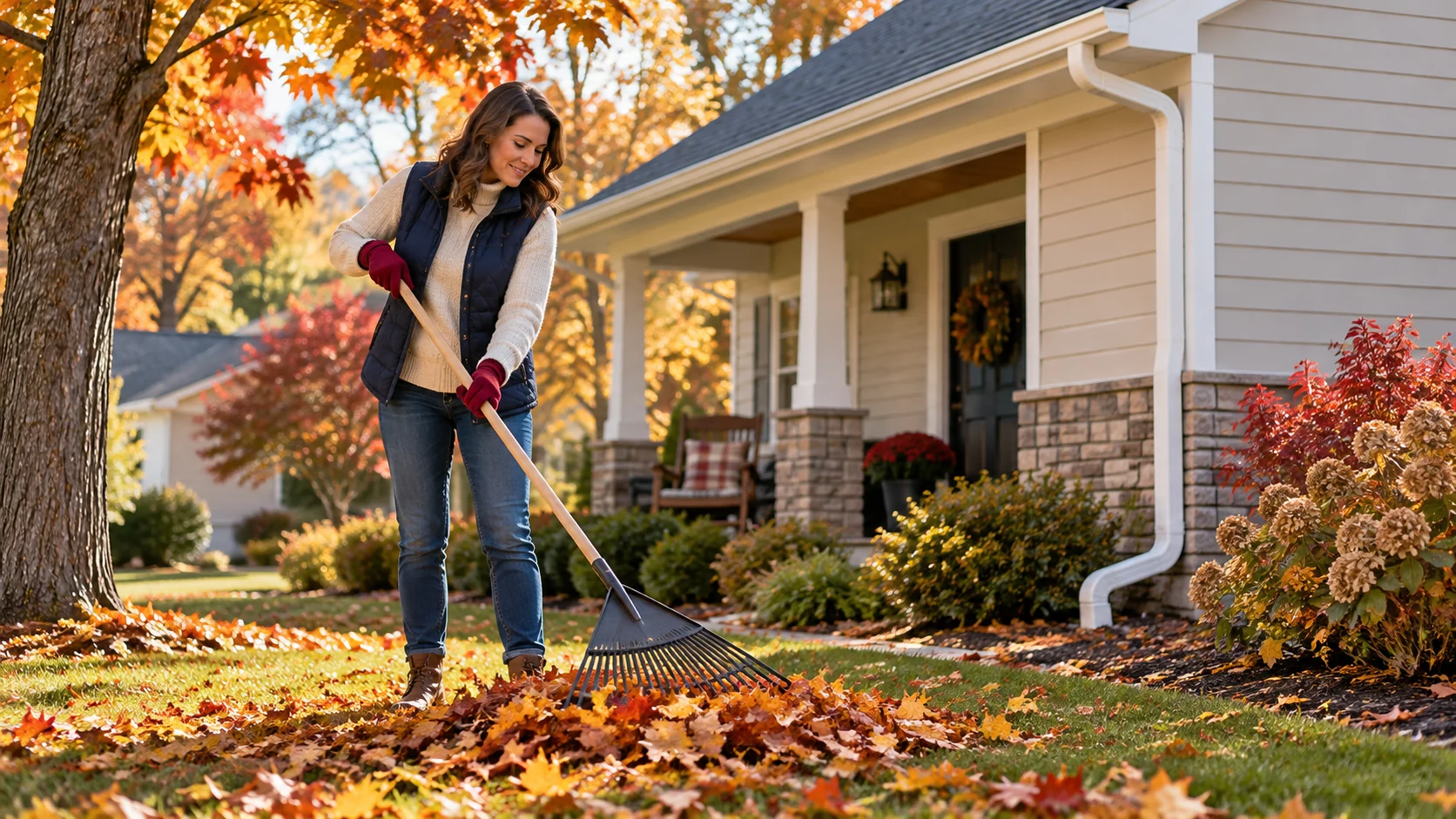
Fall maintenance feels more manageable when you think in small rounds: a walk around the house, a few checks indoors, and appointments for work that needs a professional. You do not need to solve everything in one weekend. Focus on the items that affect comfort, water management, and safe access before cold weather complicates the work.
A small, documented maintenance routine is easier to keep than one overwhelming seasonal list.
Walk the exterior
Check indoor comfort
Book professional help
Keep a simple record
Schedule heating service early
Arrange professional service for your heating equipment and follow the manufacturer’s maintenance instructions. The Department of Energy recommends annual professional maintenance for furnaces or heat pumps. Keep service records and note any questions about unusual sounds or uneven heating so the technician can investigate.
Bring specific observations to the appointment: rooms that heat unevenly, unfamiliar sounds, or questions about the thermostat. Follow the equipment’s instructions for filters and routine care, and ask the technician which tasks are appropriate for you to handle. Save the service invoice and any recommendations. A short written record is easier to use next season than trying to remember what someone mentioned during a visit.
Check comfort and visible drafts
Walk through rooms and note where you feel drafts or see damaged weatherstripping. Ask a qualified professional about appropriate air sealing and ventilation where needed. Avoid blocking vents or making changes around combustion equipment without proper guidance. Start with identified problems rather than buying products before understanding the cause.
Keep a simple room-by-room list. A draft near a door, a damaged seal, and uneven temperatures may have different causes, so avoid applying the same fix everywhere. Ask about appropriate materials and whether a professional evaluation would help. Good maintenance should support both comfort and the home’s ventilation needs. Do not close off air openings simply because they feel cold.
Divide the work into three sessions
Use one short session to walk the exterior and take notes, another to check indoor comfort and routine items, and a third to schedule the work you cannot safely or confidently do yourself. A recorded observation such as “water pools beside the rear steps after rain” is more useful to a service provider than “the yard needs work.” Keep unfinished items on the calendar rather than relying on memory.
Make a water and exterior checklist
From a safe location, look for visible gutter issues, drainage concerns, and exterior damage that deserve closer inspection. Arrange professional help for roof or high ladder work. Ask your service providers about winterizing irrigation and exterior plumbing as appropriate for your equipment and home.
After rain, look from the ground for water spilling over gutters, pooling near the house, or collecting along a walkway. Record the location and ask for appropriate help if the cause is unclear. Store outdoor items and make a plan for seasonal equipment. Follow the instructions for your particular irrigation and plumbing systems rather than assuming every house should be winterized the same way.
Keep access and records ready
Check exterior lighting and keep entry paths clear. Test safety devices according to manufacturer instructions and replace supplies as needed. Put service contacts, warranties, and completed work in one folder. If you plan to sell, organized maintenance records can also make it easier to answer questions about how the home has been cared for.
Check the supplies you will want before a cold-weather event: working exterior lights, appropriate snow tools, and easy access to necessary service contacts. Inspect paths for items that could be hidden by leaves or snow. Test alarms and safety equipment according to manufacturer directions. Choose a place for the checklist so the next person helping with the house can see what has been completed and what remains.
Questions you may be asking
Should I climb up to inspect the roof or gutters myself?
Use a qualified professional when work involves heights, difficult access, or conditions you are not equipped to handle. You can begin by documenting visible concerns from the ground.
Which task should come first?
Prioritize an active problem or safety concern, then appointments that may require lead time. For the rest, follow your equipment instructions and a realistic schedule based on the condition of your home.
Your next steps
- Book heating maintenance.
- List drafts and drainage questions.
- Record completed work and next service dates.
Further reading
U.S. Department of Energy: Home energy checklist ↗Sources checked October 10, 2026. Verify current requirements with the relevant provider.