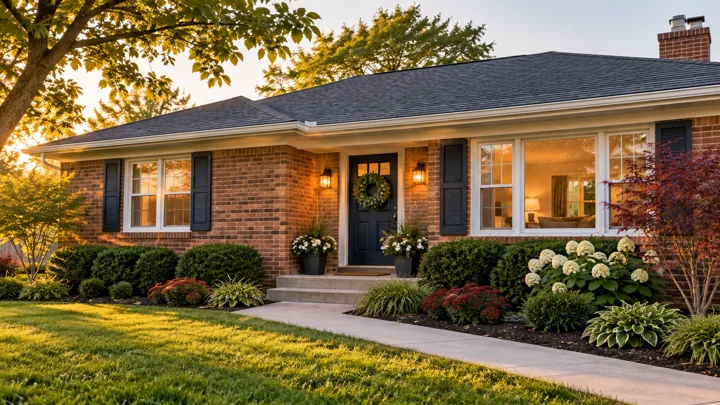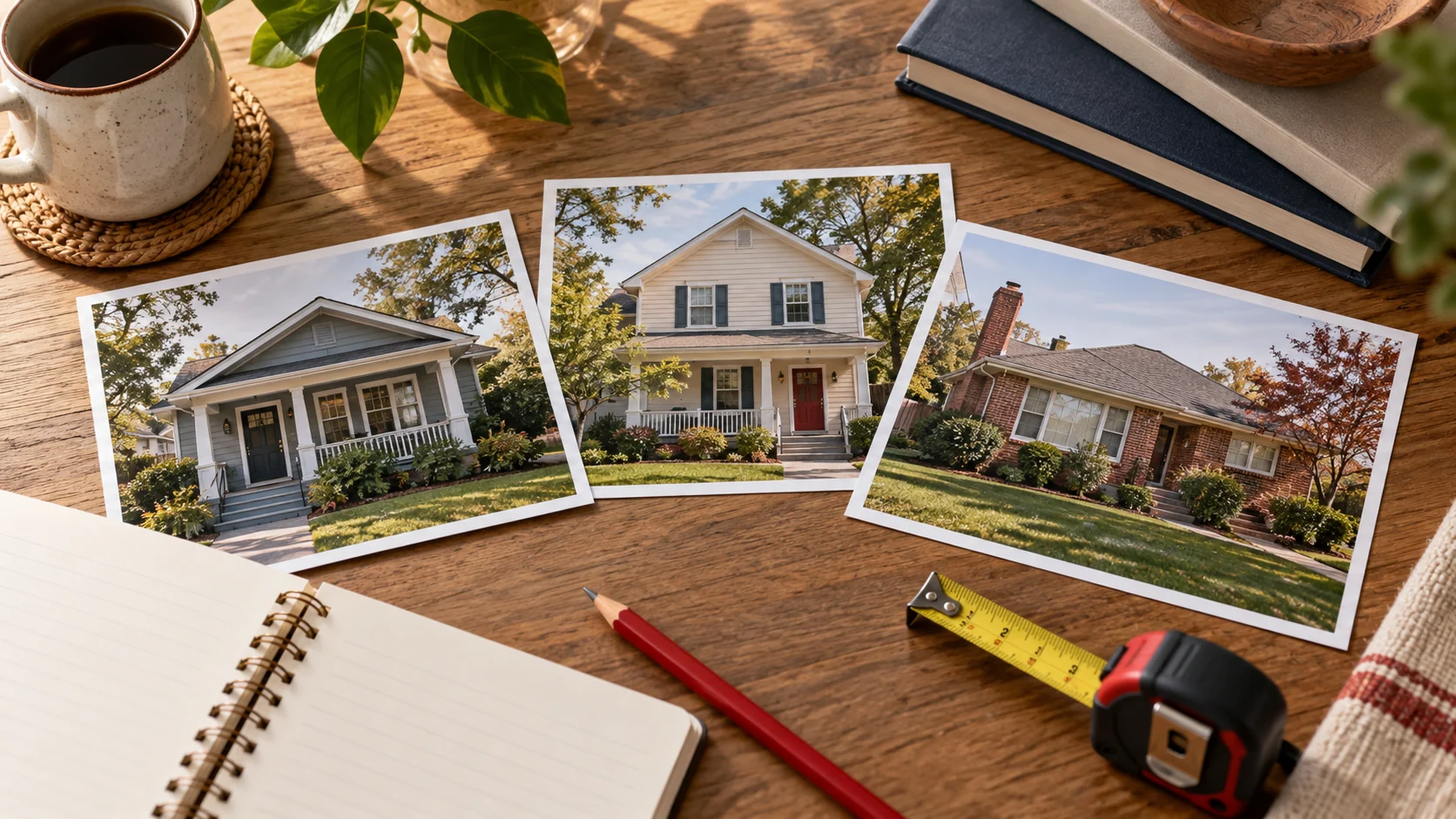
Your neighbor sold for a certain amount. An online estimate suggests something else. A nearby listing is asking even more. Which number deserves your attention? Pricing becomes easier to discuss when you separate completed sales, current competition, and the specific features buyers will compare.
A useful comparable is a property you can explain, not just an address you can average.
Select true matches
Study competition
Explain differences
Review the response
Begin with the closest matches
Ask your agent to explain the selection: location, property type, size, age, condition, lot, and timing. A renovated home and a property needing substantial work can attract different buyers even on the same street. Keep track of the strongest matches and the important differences rather than averaging every sale you can find.
Timing and context deserve as much attention as the address. Ask when the comparable sold, how its condition was documented, and which differences are significant. A home with a similar bedroom count may have a very different layout or level of finish. If there are few close matches, the uncertainty should be part of the discussion rather than hidden behind a very precise recommended price.
Separate sold homes from current competition
Closed sales show completed transactions; active listings show the alternatives a buyer can consider now. Pending listings can provide context, although their final terms may not yet be available. Review the categories separately so an untested asking price does not become your main evidence for value.
For each active listing, consider the question a buyer will ask: “What else can I get for this amount?” Look at presentation, condition, features, and availability. A home sitting on the market at a high asking price does not prove that buyers will pay it. Likewise, a closed sale should be understood in light of any available information about concessions or unusual terms.
Why one nearby sale may mislead
Suppose two homes share a street and have similar square footage. One has a recently updated interior and a garage; the other needs work and has no garage. Simply applying the first home’s price per square foot to the second skips the differences a buyer will notice. A useful comparison explains those differences and the uncertainty around them, rather than pretending proximity makes the properties interchangeable.
Put price per square foot in context
Use it as one reference point, not a universal formula. Layout, condition, garage space, outdoor features, and the way square footage is reported can affect comparisons. Ask what explains a large difference and whether there is enough information to make a meaningful adjustment.
Be careful with improvements you made for your own enjoyment. Their cost is useful history, but it is not a formula for added market value. A buyer may appreciate a feature without valuing it at what you spent. Discuss how the improvement changes the home’s position among its alternatives and whether the available comparisons support a different price range.
Agree on a review process
Before launch, discuss when you will evaluate showing activity, feedback, and changes in competing listings. Record the assumptions behind the starting price. That makes a later decision easier to assess: you can identify what changed and respond deliberately rather than simply chasing a different number.
Decide who will collect feedback and how you will evaluate it. Few showings, many showings without offers, and repeated questions about a specific issue are different signals. They are not automatic diagnoses. Review the quality of the photos, showing access, competing properties, and market response together before deciding whether a price adjustment or another change is appropriate.
Questions you may be asking
Does an online estimate determine my listing price?
No. Treat it as one reference point. Ask how it compares with verified sales and the actual condition and features of your property.
Should I start high just to leave negotiating room?
Discuss the tradeoff with your agent. A higher starting price changes the homes you compete with and the buyers who consider you. Make that choice deliberately rather than assuming room to negotiate is always an advantage.
Your next steps
- Request an explanation for each comparable.
- Review closed sales and active listings separately.
- Set a date to review market response.